Introduction: What Is a Vegetarian Diet?
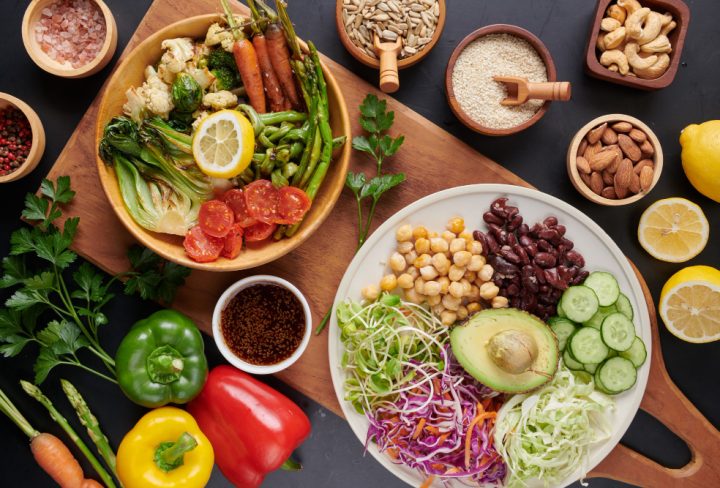
A vegetarian diet means eating mostly plant-based foods. People who follow this diet avoid meat, fish, and poultry. Instead, they eat fruits, vegetables, grains, nuts, and seeds. Many people wonder about the pros and cons of a vegetarian diet. Is a vegetarian diet healthy? This guide will help you understand the vegetarian diet benefits and risks. We will also share nutritional tips for vegetarians and practical advice for meal planning.
Pros of a Vegetarian Diet
Many studies show that a vegetarian diet can offer several health benefits. For example, plant-based nutrition can help lower the risk of some diseases. Here are some key advantages:
Heart Health: Plant-based diets are often lower in saturated fat. This can help reduce cholesterol and support heart health (CDC).
Weight Management: Many people find it easier to maintain a healthy weight on a vegetarian diet. This is because plant foods are often lower in calories.
Lower Disease Risk: A vegetarian diet may lower the risk of high blood pressure, type 2 diabetes, and some cancers (WHO).
Digestive Health: High fiber from fruits and vegetables helps keep digestion regular.
Environmental Impact: Eating more plant foods can help reduce your carbon footprint.
In addition, vegetarian meal planning can be simple and enjoyable. Many people enjoy trying new plant-based recipes.
Cons of a Vegetarian Diet
However, a vegetarian diet also has some challenges. It is important to be aware of these risks so you can plan well. Here are some possible concerns:
Nutrient Deficiencies: Some nutrients are harder to get from plants. These include vitamin B12, iron, zinc, and omega-3 fatty acids.
Protein Intake: While many plant foods have protein, you may need to eat a variety to meet your needs.
Meal Planning: Planning balanced meals can take more effort, especially for beginners.
Social Challenges: Eating out or attending events may be harder if there are few vegetarian options.
Still, with good planning, most people can avoid these problems. For example, you can choose fortified foods or supplements for vitamin B12.
Tips for a Balanced Vegetarian Diet
To get the most benefits and avoid risks, follow these practical tips:
Eat a wide range of fruits, vegetables, grains, and legumes.
Include protein-rich foods like beans, lentils, tofu, and nuts.
Choose whole grains for more fiber and nutrients.
Look for foods fortified with vitamin B12 and vitamin D.
Pair iron-rich foods (like spinach and beans) with vitamin C sources (like oranges) to help your body absorb iron.
Consider a daily multivitamin if you have trouble meeting your needs.
Plan meals ahead to make sure you get enough protein, iron, and other key nutrients.
Moreover, talking to a dietitian can help you create a meal plan that fits your needs.
Who Should Consider or Avoid a Vegetarian Diet?
Many people can enjoy a vegetarian diet, but it may not suit everyone. Consider these points:
Good Candidates: Adults and teens in good health can often thrive on a vegetarian diet. People with high cholesterol or high blood pressure may benefit.
Special Populations: Children, pregnant women, and older adults need careful planning. They may need extra nutrients like iron, calcium, and vitamin B12.
Medical Conditions: Some people with certain health issues, like anemia or food allergies, should talk to a doctor before changing their diet.
Therefore, it is wise to check with a healthcare professional before making big changes to your eating habits.
Conclusion
In summary, a vegetarian diet can offer many health benefits. However, it also has some risks if not planned well. With the right approach, you can enjoy a healthy, balanced vegetarian lifestyle. Consult a healthcare professional for personalized dietary advice.